Canali Boutique ospita Archivio Fausta Squatriti
Apertura da domenica a sabato, ore 10-19
La ricerca di Fausta Squatriti è caratterizzata da numerosi cicli tematici a partire da La Passeggiata di Buster Keaton e le Sculture Colorate, degli anni’60 primi70, fino all'ultimo Naturalia et Mirabilia.
Il suo pensiero si sviluppa nella coerente visione dell’alternanza tra positivo e negativo, alla ricerca di un equilibrio che pone al centro di essa la contraddizione, quale elemento onnipresente nella storia dell’umanità, pur senza dimenticare la bellezza.
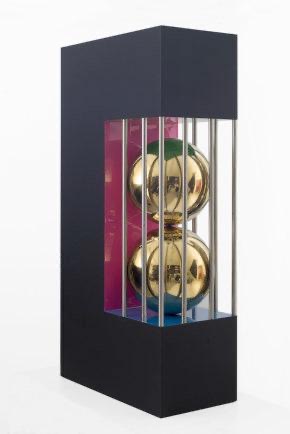
Nel ciclo “Sculture Colorate” 1964-72 , qui presentato, la severità delle forme geometriche è contaminata da elementi colorati di sapore “pop”. Per realizzarli Fausta Squatriti usa materiali industriali - acciaio, plexiglas, ferro laccato - e tecniche mutuate dall'industria automobilistica . Aspetto, questo, rivoluzionario per l’epoca. L'Artista intende dimostrare di poter creare consapevolmente opere d’arte uniche, dal valore universale, utilizzando processi propri del mondo industriale, giungendo, come lei stessa scrive,“al superamento concettuale ed estetico di cui era stata protagonista la mano dell’artista fino a quel momento.”
Open Sunday to Saturday, 10 a.m. to 7 p.m.
Fausta Squatriti’s artistic trajectory is distinguished by a series of thematic cycles, spanning from La Passeggiata di Buster Keaton and the Sculture Colorate of the 1960s and early 1970s to her most recent project, Naturalia et Mirabilia.
Her intellectual approach has developed into a rigorous exploration of the dialectical interplay between positive and negative, wherein contradiction—an ever-present force in the course of human history—becomes a central tenet in the pursuit of equilibrium, without eclipsing an enduring concern for beauty.
In the Sculture Colorate series (1964–72), presented here, the austerity of geometric forms is deliberately subverted by the incorporation of chromatic elements redolent of Pop aesthetics. Squatriti employs industrial materials—steel, plexiglass, and lacquered iron—alongside manufacturing techniques derived from the automotive industry. This methodological innovation was radical for its time, as the artist sought to challenge traditional paradigms of artistic production. As she herself articulates, her objective was to effect “a conceptual and aesthetic breakthrough, surpassing the role of the artist’s hand as the primary agent of creation.”
Presente in
Canali Boutique
Via Pietro Verri 120121 Milano